Sixty Thousand Lakes and More

By Angel Alma

This summer the important word is WATER. Nature is thirsty, wildfires rage, and the demand for water grows. Finland has been lucky so far, although we have a history of wildfires too.

The South East experiences sporadic, gentle rain, yielding lush greenery in lawns and gardens. We had some heavy showers, with streets flooding, but that didn’t last long. It was worse in central Finland where smaller roads even crashed.

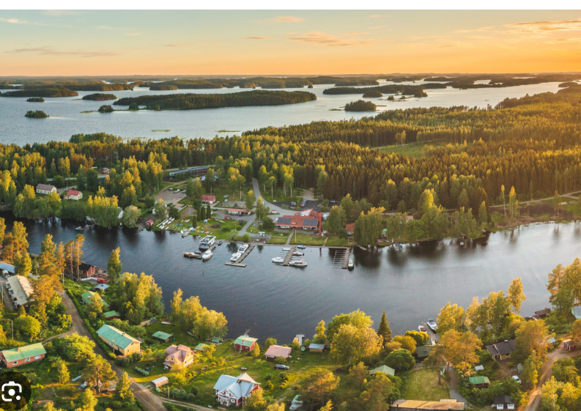
Water is essential also for mum. You could call her slightly obsessed, as she must visit the waterside several times a week if possible. Our former home was by the sea in the Helsinki region, followed by many years in Finnish Lakeland. The biggest lake in the country, Saimaa, was almost on the doorstep. Mum swam post-work, even through winter, through an ice hole.

This passion for water started as a child during the long summer holidays by Lake Saimaa. Her family had a summer cottage, like many Finns do. Swimming occurs mornings, on numerous occasions daily, and certainly in the evenings following sauna use.

A few years ago she learned that this is called wild swimming. One style is running in deep water using a special vest, but we do that mostly in swimming pools. You can also walk and maybe do some gym moves in waist-high water.  

My brother Aimo and I went swimming too, not on purpose, but jumping after Mum. Imagine a flying cat! We appeared that way, retreating quickly toward the pier. Aimo even waded in the shallow water. He had Norwegian Forest cat heritage, and they catch fish.

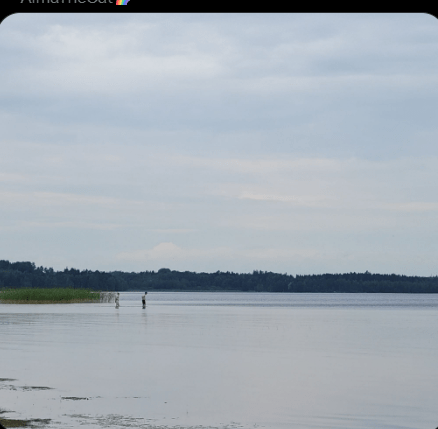
Mum often drives to nearby lakes or rivers, sometimes just to sit and enjoy the sounds of the water. A park pond offers more than nothing.

The big river Kymijoki flows through this region towards the Gulf of Finland. Scenic trails for walking and cycling now line the banks.

For those who like waterside action, there is a resort area with an amusement park, Aquapark, cottages and bikes for rent, beach volleyball courts and a diving platform. This summer’s speciality is a sand art exhibition by local artists.

Our lakes are mostly clean, although blue algae can be a pain, especially in hot summers. Periodically, the Gulf of Finland waters resemble thick, green soup. Authorities collected samples from popular beaches; results here were “excellent” when Mum last checked.

Finns call the first swim of the year “throwing your winter fur away”. Mum plans to do that, though she has not yet. Maybe in August when beaches are quiet and the water is “warm”, meaning about +20 Celsius. If you ask me, I’ll rather keep my winter fur on and my summer one dry. Licky baths, of course, make an exception.

Wildlife Need Water

wildlife Picture2

In the UK, we are in another heatwave pattern, particularly in central and southern areas. 

We broke temperature records in May and June, and these hot spells have lasted for several days and not just the odd extreme day.

Nature and wildlife will struggle.

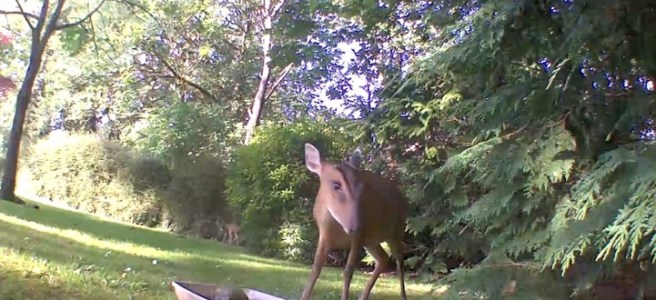
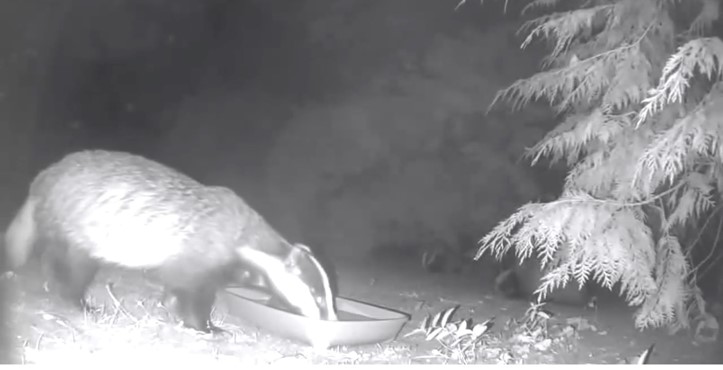
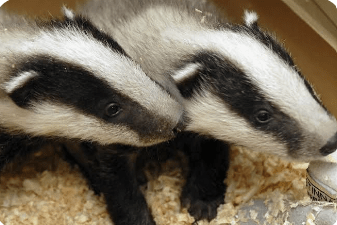
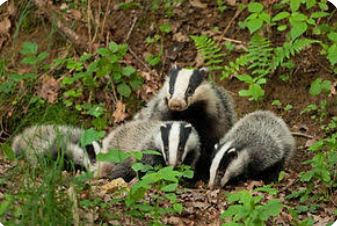
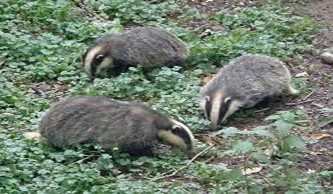
Badger cubs have a high mortality rate anyway, but in dry ground and hot conditions, they struggle even more. Many badger groups are reporting dehydrated badger cubs being found.

When temperatures soar, badgers leave their underground homes throughout the day, searching for hidden resting places amidst plants. They will come out needing water too.

The ground is so hard; they are not getting moisture from that and it’s too hard to forage.

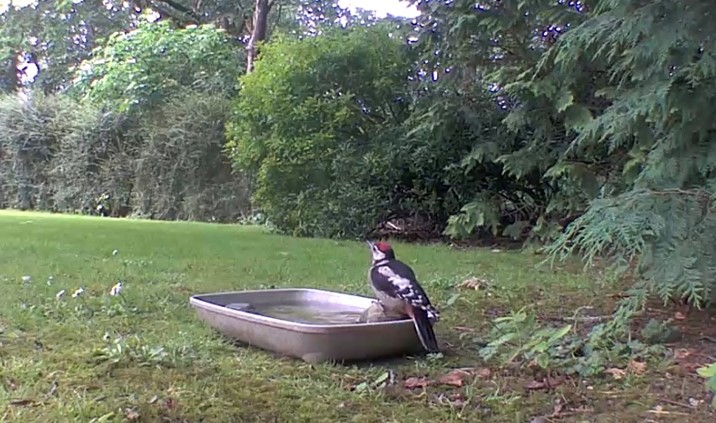
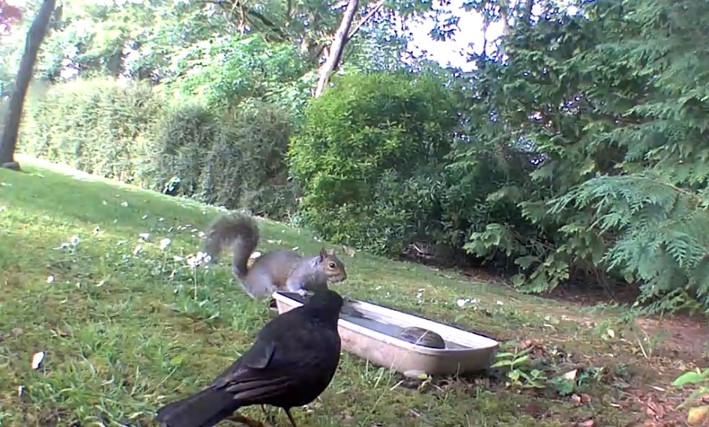
We have a cat litter tray out at the bottom of our garden as a water trough, and the wildlife will use it.

Suddenly They Were Here

By Angel Alma

You wait and wait, and one morning you’ll notice it. Chirps and shouts, cries, songs, all the typical tunes of migratory birds. They are eager to announce their arrival and declare: “This is my territory.”

Some species arrive overnight, like fieldfares. Mum usually walks a certain route to listen until she can hear them from the woods.

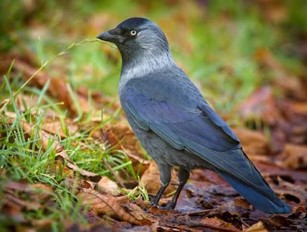
Often, one hears birds before seeing them. For example, a Pied Wagtail mum heard chirping when she was sitting by the river. Check the surroundings, and soon the bird was jumping on a stone trying to catch insects above the water surface.

Honkers, as we kitties call geese, Mum heard during her walks through the fields. “Honk Honk”, she looked up and saw the typical formations fly over. Goosebumps!

Perhaps the most significant arrivals every spring in Finland are chaffinches, singing loudly near homes and gardens. It may be THE early bird most Finnish people recognize. Curiously, most individuals claim familiarity solely with magpies, craws, seagulls, and cuckoos. Not every paw needs to be a birdwatcher; just enjoy the performance. But if you are interested in learning more, YouTube and phone apps can help.

In a few weeks, fresh voices will join the concert. Loud gulls fly above roofs, as they have learned to nest inland. High houses are like seaside cliffs.

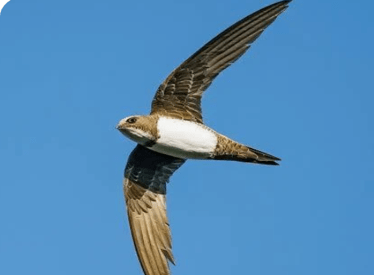
Mum loves the day when she hears the first swifts. Several, then more, launched skyward. They arrived this year on May twenty-third, the same date as the prior year, which proved rather amusing.

Later in June, the soundscape changes. Nesting is in full swing, and you hear more and more warning sounds. Parents warn the chicks about approaching humans, dogs, squirrels, us cats, and bigger birds. When gull chicks jump from the nest, often onto the asphalt, shouting is constant. Humans need to beware of their hats, as the bird parents attack to defend their offspring.

We’ve installed special materials on the roof to safeguard our elderly residents. It’s paste you can buy from garden centers. Birds see it shining and avoid it. Other houses use flickering lights to tell gulls are not welcome.

You need to take the warnings seriously. A while ago, a woman was taking a phone pic of an Ural Owl. The bird was warning, of course, and suddenly pecked the woman’s eye. A trip to the hospital, a lesson learned, plus a story in a newspaper.

In July, the soundscape changes again. It’s calmer and more silent, and female Curlews leave. Dads are taking care of the kids until they are ready to survive on their own.

Summer hasn’t ended, despite our jokes about Finland’s brief summer with minimal snow.

Badger Article 5

Badgers cubs

Cubs having snuggled down in the sett since February, it is time from May to venture above ground

Badger cubs in the UK are typically born in February. They spend their first eight to ten weeks underground in a safe sett, only emerging above ground for the first time in late spring, usually around mid-to-late April or May.

Here is how they grow and develop:

Birth (February): Cubs are born blind, weigh between 75 g and 130 g, and have fine white fur.

5–7 Weeks: Their eyes open for the first time.

8–10 Weeks: Cubs peek above ground from the sett entrances.

12 Weeks: The mother weans them and they learn to forage alongside her.

5–16 Weeks: They are mostly independent and can forage alone.

In the UK, badger cub mortality is extremely high, with an average of 50% to 66% of cubs dying in their first year. Only one out of every three cubs typically survives to reach one year of age.

Primary Causes of Mortality

Starvation and Climate: Lack of food availability is the primary natural driver of cub deaths. Drought years significantly decrease the survival rate, as it severely limits their major food source (earthworms).

Road Traffic Accidents: Badgers are habitual creatures, and roads built across ancient paths lead to major casualties. UK roads kill over 50,000 badgers of all age groups every year, and these accidents leave many dependent cubs orphaned.

Predation: While adult badgers have no natural predators in the UK, young cubs can occasionally fall prey to foxes

The local badger group, on which Mummy is on the committee, has orphaned cubs to look after each year. Experienced members hand-rear them. Once strong, they relocate to the wildlife hospital, joining others within a larger enclosure.

The badger group then always tries to find somewhere suitable to build an artificial badger sett to release the cubs together. The badgers receive food support initially, but then they return to the wild and their own sett. They often then build their own outlier setts in the area.

Inventing Your Own Seasons

by Angel Alma

Finnish humans like to repeat the mantra about how lovely it is to have four proper seasons. You know the rhyme: Winter, Spring, Summer and Fall…

But there are more, namely “mid-seasons”. Summer-Fall, Spring-Winter, and so on. Also, crossings between seasons aren’t as clear as they used to be.

Mum loves the Japanese idea of 24 or even 72 microseasons. Perhaps the best known is Hanami, the season to watch cherry blossoms. The Finnish newspaper Helsingin Sanomat even used this idea in their monthly magazine. They published a calendar on this theme together with ProAgria Finland.

Mum has invented microseasons on her own. Let’s see what they are like in the springtime.

We have just survived the sandstorm season, phew. When the snow melted, the air was full of dust, which strong winds blew all over. During the winter, they gritted the streets and pavements multiple times, and maintenance tractors and street sweeping vehicles spent a long time washing it all away.

Sandstorm dust is bad for lungs and irritates eyes. During the worst time, Mum checked the air quality in our town from her phone before going out. The Finnish Meteorological Institute collected the measurements. Rush hours were awful, of course, but other times too, depending on the wind direction.

And the snow didn’t leave us at once. It came back twice and was rather thick, too. In late April Mum saw that several centimeters of snow had covered the backyard during the night. The sun was already warm enough to melt it by the afternoon. That’s another microseason: warming sun.

The list goes on: the day you can wear trainers and not the heavy winter boots with spikes. You can enjoy coffee on the balcony or ice cream on a terrace when it’s warm enough. When you need to close the bedroom curtains to sleep. Rainbows appear on the kitchen wall when sunlight strikes the glass ball positioned on the shelf.

Microseasons also reveal what has been secretly happening during the winter. They appear when they are ready: the first daffodil, butterfly, bumblebee, spider. Those tiny birch leaves which we call “ears of a mouse”.

Of course, Mum thinks the most exciting springtime microseason is when migratory birds return. Maybe we’ll tell more about it in the next blog.

Weather Article 2

Northern Blocking in the UK

Northern blocking is one of the most influential drivers of UK weather. High pressure building interrupts the jet stream’s usual westward flow in the high latitudes of Greenland, Iceland, or Scandinavia. This “block” forces weather systems to divert around it, often locking the UK into a particular pattern for days or even weeks.

Although blocking can occur at any time of year, its effects in winter and spring are dramatically different.

For snow lovers like mummy, northern blocking is a key hope for winter months in the UK and to be in the correct position to bring in winds and snow. 

Northerly flows bring snow showers to Scotland, Northern Ireland, and the eastern coasts.

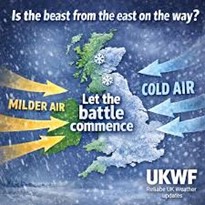
Easterly flows can produce widespread snow, especially when North Sea convection is strong. People know this weather phenomenon as the Beast from the East.

How winter blocking forms

In winter, the jet stream is stronger and more active. When a northern block forms, it forces the jet to buckle southwards, often sending it through Spain or the Mediterranean. This opens the door for Arctic or continental air to spill into the UK.

The most common winter blocking positions are:

*Greenland High (Greenland block) drives cold north‑westerlies or northerlies into the UK.
*The Scandinavian High (Scandi block) pulls in cold easterlies from Siberia and western Russia.
*Energy demand spikes. Prolonged cold spells increase heating demand and can strain infrastructure.

Why winter blocking is so impactful

Cold air masses are dense and persistent. Once they settle over the UK, they can be very difficult to shift without a major change in the jet stream. That’s why winter blocking often leads to memorable cold spells—think 2010 or the “Beast from the East” in 2018.

Northern Blocking in Spring:

Spring is a transitional season, and blocking behaves differently because the atmosphere is warming, the jet stream weakens, and the contrast between polar and tropical air reduces.

How spring blocking forms

Spring blocks often develop over:

*Greenland
*Iceland
*Scandinavia
*The North Atlantic

But the key difference is that the air masses involved are no longer cold. Instead, the block’s position determines whether the UK gets warmth, chill, or dry settled weather.

It can bring cold, grey days, though, and chilly spring nights. Can also mean a lot of dry weather, which is not welcome in spring for nature, wildlife, and farmers.

The same blocking pattern that brings snow in February might bring sunshine and warmth in May. The key is the temperature of the source air and the strength of the sun. By late spring, even an easterly flow can feel pleasant rather than bitter.

Badger Article 4

Badgers in Spring…..

Badgers are very active in spring after keeping warm and conserving energy throughout winter.

February marks prime cub birth season within the UK. A litter normally has 1-5 cubs, and they will remain tucked up in the sett, feeding from their mum. They will stay underground for a few months.

February and March are key mating times. Badgers use delayed implantation to ensure cubs are born between January and March. While mating can occur 11 months prior, actual gestation is only 6-8 weeks, as fertilized embryos (blastocysts) remain dormant in the uterus until early winter. 

February through to May is a very active time for badgers, with them needing food, especially nursing mums.
There can be hierarchical changes and territorial fights.

Regrettably, increased activity presently heightens badger transit and their vulnerability to road fatalities.

Our mummy is a volunteer for our local badger group, and that means the sad role of going out to deceased badgers on our roads to check they are not lactating females. Should that be true, finding the abandoned cubs requires urgent attention to ensure their survival. This is especially relevant to lactating female foxes too at this time of year.

We can see that our visiting mama badger is lactating, so we will hope to see cubs in the forthcoming months

For more information, visit The Badger Trust and Wildlife Trusts

Dancing in the Dark

Guest Post–Angel Alma

Friday the 16th of January was a special day in Lapland. For the first time in roughly six weeks, dawn broke. It peeked above the horizon at 12:02 p.m. and disappeared at 12:43 p.m. This happened in Utsjoki, in the northernmost part of Finland.

Winter nights are long in other parts of our country too. It’s not totally dark all the time, as the polar night season, which we call “kaamos,” is also bluish and in the south even light—during the few daylight hours.

This remarkable season offers moonlight, stars on clear nights, and the captivating auroras. Aurora Borealis, the northern lights, gives a display worth watching.

People in ancient times had various explanations for the magical glowing green, blue, yellow, and red lights which filled the sky, dancing, waving, and flickering.

Many folklore stories connect auroras with blood or dead human souls. People also saw them as signs of something big happening. In Finland they are called “Revontulet”, “repo” being an old name for a fox. “Tulet” means fires. So Firefoxes were running through the sky, swishing their tails, red sides touching trees and snow.

Scientists have been interested in auroras since early days, trying to explain their origin. Nowadays we know solar winds interacting with Earth’s magnetosphere cause them. Scientists still eagerly study them, and more secrets remain to be discovered.

No wonder auroras are one of the most admired tourist attractions in Lapland. Finland itself provides excellent observation locations, due to its northern location. It’s also more or less inhabited even in the remote areas. You can see auroras even in April, before it becomes too light.

Mun saw her first Auroras in Helsinki in the 1990s on New Year’s Eve. She went outside with friends during a party at midnight to wish each other a Happy New Year. Green lights were waving up in the sky, like silent fireworks.

For hunting Auroras, you have modern equipment to help. Just check one of the several Aurora alert apps on the phone or a meteorological site. Choose a wide, open place facing north, without too many city lights. Mum used to drive to the nearest fields, but lakesides are also good for spotting.

Aurora hunting is not always a success. Mum drove toward country regions for approximately thirty minutes during the nighttime, solely to observe stellar displays against the dark heavens. Driving back and going to sleep.

Sometimes Mum can see them behind the house, even from her bedroom window. If it’s too cold or too late, she stays in bed dreaming of firefoxes running over the dark winter sky, swishing their tails.

You can find more information about Auroras in Finland, for instance, on these internet sites:
Ursa Astronomical Association, Finnish Meteorological Institute, visitrovaniemi.fi and visitfinland.com 

Weather Article 1

Weather article 1 Picture1

#Weathercat:

My mummy and I both love the weather. She maintained a weather diary using paper for many years during her youth; now, our garden features a weather station we’ve had for quite some time. She finds it so interesting, exciting, and scary.

The UK’s weather feels the impact of its island status plus its geographical position. We are Atlantic driven but depending on the weather pattern setup and position of the jet stream, we can bring in weather from other directions.

Jet steam:

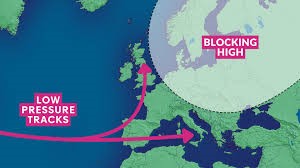
The jet stream is a high-altitude river of wind (5-7 miles up) that steers UK weather, blowing west-to-east, with its position dictating whether the UK gets mild, wet Atlantic weather (when it’s south of the UK) or colder, drier spells (when it’s further north). A fast, straight jet stream brings unsettled, stormy conditions by pulling low-pressure systems towards the UK, while a weaker, buckled jet stream can lead to blocked high-pressure systems, causing longer periods of stable, dry, or even cold weather, depending on the air masses involved. 

When we have a southerly wind in the summer, we have experienced dust storms up from the Sahara. A few years ago, when working in London, the entire city seemed to turn red and there was dust everywhere—it was quite an experience that Mummy loved.

If the winter weather pattern has high pressure blocking, we can then get the Beast from the East, which brings freezing temperatures and snow in from the East.

The cold spell we experienced over Christmas and the start of the year 2026 was driven from the North because of the position of the Scandinavian blocking high pressure. This cold spell has been across Europe, and Lapland has experienced record low temperatures of -42.8c.  Mummy has visited Lapland several times, and the lowest she has experienced is -30c and that was VERY cold.

Do you have a favourite weather? Our mummy’s is snow, she just loves it and finds falling snow and the sparkle and crunch of laying so super special. 

We will delve into some more weather facts and types of weather in future articles. 

Where Is The Snow?

where is the snow picture 1

Guest Post—Angel Alma

This winter, the winter as we normally think of it, was very late. Even in Southeast Finland, snow can stay as early as October, and almost every year we have a white Christmas. Once Mum even had to drive to work by her kick-sledge! Her car did not have winter tires yet, and the sudden autumnal snow was so thick.

This winter, it snowed a bit on some days in November and December. Everything looked nice and bright, but it soon melted. In Lapland, the sun stays “in bed” for about two months, and also in SE daylight (or greyness) lasts only a few hours. Without snow, it’s so, so dark.

Snow didn’t bother me; unlike many felines, I would walk through it. Mum threw snowballs, which I loved to catch. I suppose it’s because I was born in March and saw snow when I first opened my eyes.

Snow or not, in wintertime, birds from the woods move nearer to humans. Bullfinches blow their tin pipes even in the city center. Great and Blue Tits and many other non-migratory birds appear in backyards looking for food.

In Finland, we feed birds only in winter, as they find seeds, berries, and insects in nature. Many apartment houses have banned feeding totally because of unwanted guests like rats, but in private gardens, you can see feeders full of birds.

I used to watch birds in our backyard from my vantage point on the balcony table. They came to check on me, but were clever enough to keep the distance. Those cheeky, shouty magpies tried to scare me, in vain. Nowadays, little birds flap their wings behind the windows, tweeting to mum: Where are our sunflower seeds!

Mum doesn’t feed birds on her balcony, although she would love to. Luckily, her neighbour, a true birdwatcher, attaches a thick slice of lard to a tree trunk under a metal net. Birds can peck through, but rats have no entrance. It would be a wonderful surprise if a White-backed Woodpecker came to lunch one day.

This black season can make humans feel blue, but it also causes problems for animals who change their fur colors. Squirrels turn from brown to grey, and hares change from grey to white. They are too easy to spot on the dark ground by hawks and owls in the city parks.

Celsius degrees above zero mean lower heating costs and less slippery roads, pavements and broken limbs for humans. Glittering snow in the rare winter sunshine is worth waiting for. It’s even better with paw prints, both bigger and smaller.