
by Angel Alma
Summer sounds in nature fade once birds have migrated or plan to migrate. Nests are empty; chicks have grown and hang out in their own flocks without parents.
Still, if you listen carefully (not wearing headphones whilst walking) you can hear a lot. Tiny tweets and chirps, as tits who are staying, keep checking their old places for seeds. Jackdaws are noisy as always, gathering and flying around.
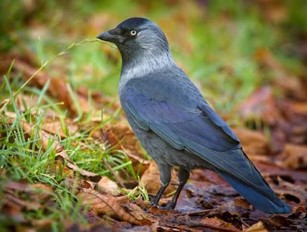
When traffic is light, you can hear a lot more.
Mum likes to wander around the old cemetery, which is quiet, except for the garden workers with their machines and rakes. Anyway, it’s one of the best places to listen to nature in the town. Woodpeckers shout their warnings, and so do squirrels if you walk too close.
Mum jumped high as she didn’t notice a busy squirrel on a nearby twig. Chatting was almost as loud as when I, Alma, tried to make friends with them in our backyard. They are so fussy! I was just watching!
Our home street is mostly calm, so that you can hear ripe apples bumping down to the lawn. Trees are changing colour, leaves falling one by one, making a nice scratching sound.
Wind helps, sometimes yelling as a gale.
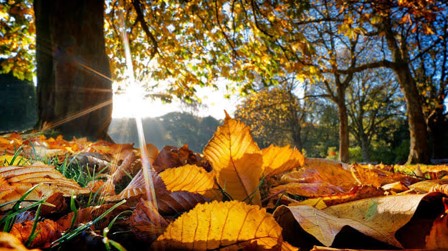
Raindrops are essential in autumn, and listening to their drumming can be very soothing.
When I had to wear a cone after my vet visits, oh my cat, how much more I could hear. That’s why Mum and other birdwatchers spread their hands behind their ears to make the ears bigger.
It helps a lot, really.
With her extra ears, Mum spotted a rather rare pair of Eurasian hobbies at the cemetery. They had been nesting in a high spruce, sounding very much like woodpeckers.
Soon there’s no need for extra ears when migratory honkers are returning from the north. Instead, you can use your hands to cover the ears!


