Weather Article 1

Weather article 1 Picture1

#Weathercat:

My mummy and I both love the weather. She maintained a weather diary using paper for many years during her youth; now, our garden features a weather station we’ve had for quite some time. She finds it so interesting, exciting, and scary.

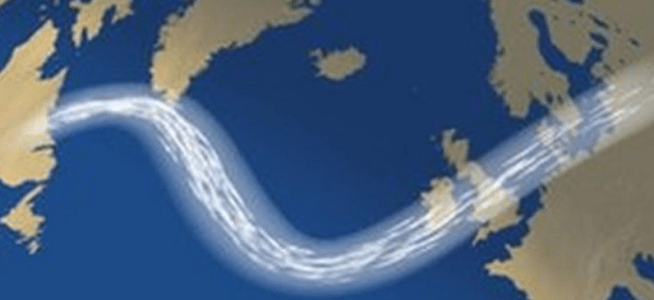
The UK’s weather feels the impact of its island status plus its geographical position. We are Atlantic driven but depending on the weather pattern setup and position of the jet stream, we can bring in weather from other directions.

Jet steam:

The jet stream is a high-altitude river of wind (5-7 miles up) that steers UK weather, blowing west-to-east, with its position dictating whether the UK gets mild, wet Atlantic weather (when it’s south of the UK) or colder, drier spells (when it’s further north). A fast, straight jet stream brings unsettled, stormy conditions by pulling low-pressure systems towards the UK, while a weaker, buckled jet stream can lead to blocked high-pressure systems, causing longer periods of stable, dry, or even cold weather, depending on the air masses involved. 

When we have a southerly wind in the summer, we have experienced dust storms up from the Sahara. A few years ago, when working in London, the entire city seemed to turn red and there was dust everywhere—it was quite an experience that Mummy loved.

If the winter weather pattern has high pressure blocking, we can then get the Beast from the East, which brings freezing temperatures and snow in from the East.

The cold spell we experienced over Christmas and the start of the year 2026 was driven from the North because of the position of the Scandinavian blocking high pressure. This cold spell has been across Europe, and Lapland has experienced record low temperatures of -42.8c.  Mummy has visited Lapland several times, and the lowest she has experienced is -30c and that was VERY cold.

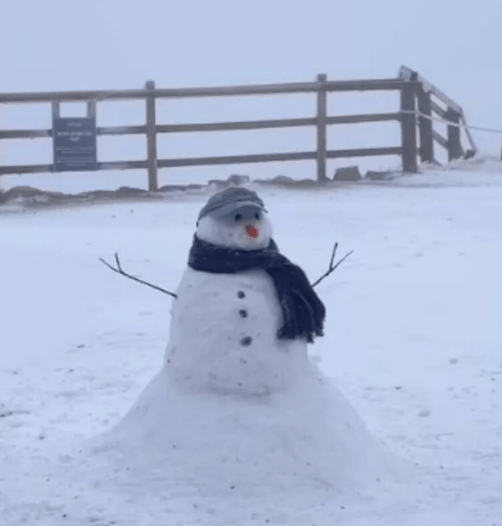
Do you have a favourite weather? Our mummy’s is snow, she just loves it and finds falling snow and the sparkle and crunch of laying so super special. 
We will delve into some more weather facts and types of weather in future articles. 
Walking in the Cold

Hello! Dis is Bart! We are TJ and Bart, and we are ready with a new article for the Anipal Times!

Dis is TJ! We take our duties as writers seriously. And we have a vewy important topic today. Walking in da cold.

Bart: Dat’s wight, TJ. Now we live in Florida, so it does not get too cold here too often. But sometimes it does.

TJ: Dis also for our pals who really have to go through da cold so much during the winter. Dey have real winters. Dis is an important topic!

Bart: Dis is also weally for our humans. Because dey walk us, after all.

TJ: And they don’t walk us any differently than! Man, it is cold outside! Why do they go so slowly?

Bart: Dis is so twue! You know we are low to the gwound! Our pwivate parts are touching the gwass!

TJ: Sowwy if that is too stwong for da readers out there, but dis is an important issue for us doggos! Humans, get da lead out!

Bart: You don’t want to be out dere, wight? Well, we don’t want to be out dere either!

TJ: And yoooose humans are supposed to be da smart ones. If we go inside, then we will all get warm! What is so hard about dat?

Bart: But we also have to have patience with our humans.

TJ: It’s difficult sometimes, though, Bart. Cats have it so good! They can go in da stinky box inside!

Bart: And then da humans clean it. Cats are lucky!

TJ: In da meantime, humans, understand! Faster walks, and less time outside when it is cold!

Bart: Dat’s wight!

TJ: Dis concludes our article. We hope dis helps!

Where Is The Snow?

where is the snow picture 1

Guest Post—Angel Alma

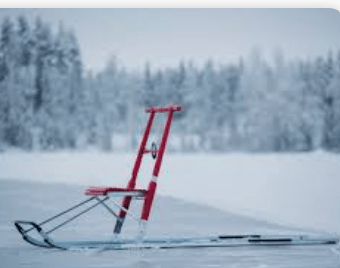
This winter, the winter as we normally think of it, was very late. Even in Southeast Finland, snow can stay as early as October, and almost every year we have a white Christmas. Once Mum even had to drive to work by her kick-sledge! Her car did not have winter tires yet, and the sudden autumnal snow was so thick.

This winter, it snowed a bit on some days in November and December. Everything looked nice and bright, but it soon melted. In Lapland, the sun stays “in bed” for about two months, and also in SE daylight (or greyness) lasts only a few hours. Without snow, it’s so, so dark.

Snow didn’t bother me; unlike many felines, I would walk through it. Mum threw snowballs, which I loved to catch. I suppose it’s because I was born in March and saw snow when I first opened my eyes.

Snow or not, in wintertime, birds from the woods move nearer to humans. Bullfinches blow their tin pipes even in the city center. Great and Blue Tits and many other non-migratory birds appear in backyards looking for food.

In Finland, we feed birds only in winter, as they find seeds, berries, and insects in nature. Many apartment houses have banned feeding totally because of unwanted guests like rats, but in private gardens, you can see feeders full of birds.

I used to watch birds in our backyard from my vantage point on the balcony table. They came to check on me, but were clever enough to keep the distance. Those cheeky, shouty magpies tried to scare me, in vain. Nowadays, little birds flap their wings behind the windows, tweeting to mum: Where are our sunflower seeds!

Mum doesn’t feed birds on her balcony, although she would love to. Luckily, her neighbour, a true birdwatcher, attaches a thick slice of lard to a tree trunk under a metal net. Birds can peck through, but rats have no entrance. It would be a wonderful surprise if a White-backed Woodpecker came to lunch one day.

This black season can make humans feel blue, but it also causes problems for animals who change their fur colors. Squirrels turn from brown to grey, and hares change from grey to white. They are too easy to spot on the dark ground by hawks and owls in the city parks.

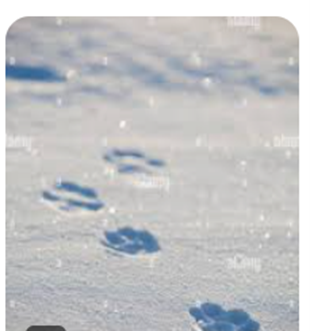
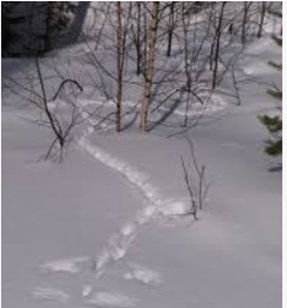
Celsius degrees above zero mean lower heating costs and less slippery roads, pavements and broken limbs for humans. Glittering snow in the rare winter sunshine is worth waiting for. It’s even better with paw prints, both bigger and smaller.  

Badgers in Winter…(Badger Article 3)

Badgers article 3 Picture2

Badgers slow down so much that they can happily go into a deep sleep for days or even weeks during times of harsh weather. This sleep state, torpor, requires a significant sound for awakening, unlike hibernation’s deeper state.

Badgers build up reserves of fat during the autumn when there is plenty of food to eat. Fallen fruit, nuts, plus berries, combined with insects, worms, plus carrion, supply badger body fats to slumber for weeks, thus there’s zero worry for waking to eat. Badgers experience winter lethargy during this time period. As they rest, their bodies continue to function by using the energy in those fat reserves.

The UK experienced a mild autumn; thus, the badgers could fatten for winter. Our visiting badgers have been coming every night through December still. Following a dry summer, badgers require nourishment and hydration to survive the winter.

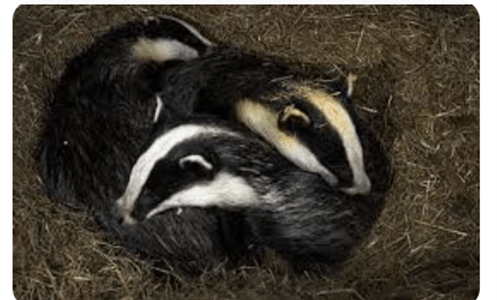
Whole family groups of badgers can make themselves comfortable deep underground in their sett, which provides shelter from rain and protection from extremely cold conditions. They collect bedding materials such as dry grass and fallen leaves to wrap themselves in.

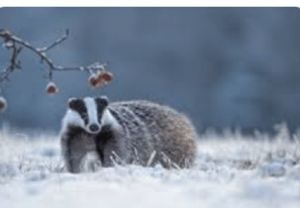
During periods of exceptionally cold weather, badgers will often use a latrine inside the sett, rather than venturing outside. Foraging may occur even in snow, though winter activity fluctuates unpredictably.

Badger article 3 Picture3