In the UK, we are in another heatwave pattern, particularly in central and southern areas.
We broke temperature records in May and June, and these hot spells have lasted for several days and not just the odd extreme day.
Nature and wildlife will struggle.
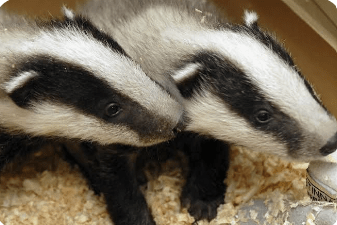
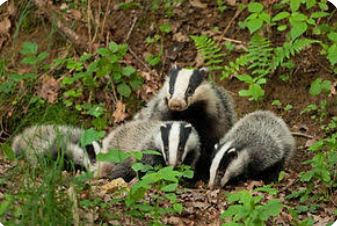
Badger cubs have a high mortality rate anyway, but in dry ground and hot conditions, they struggle even more. Many badger groups are reporting dehydrated badger cubs being found.
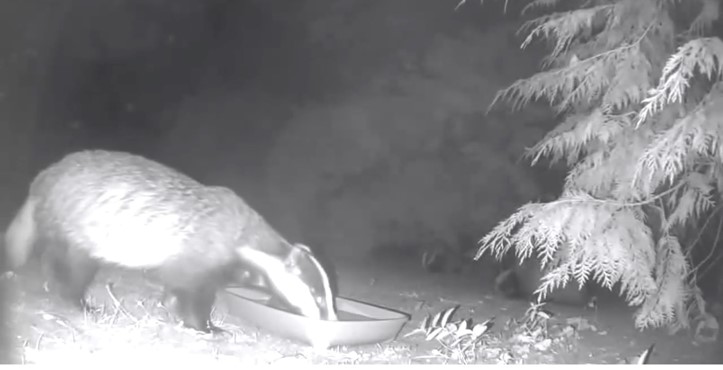
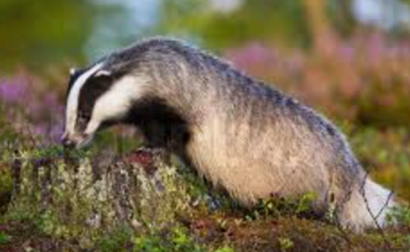
When temperatures soar, badgers leave their underground homes throughout the day, searching for hidden resting places amidst plants. They will come out needing water too.
The ground is so hard; they are not getting moisture from that and it’s too hard to forage.
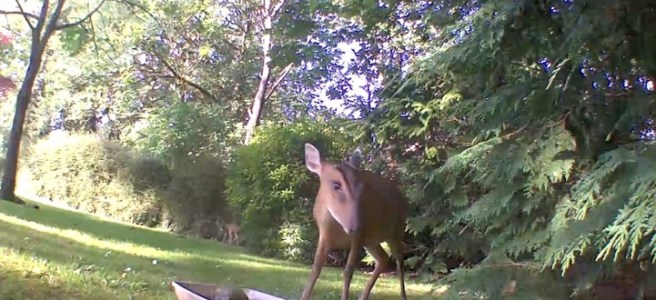
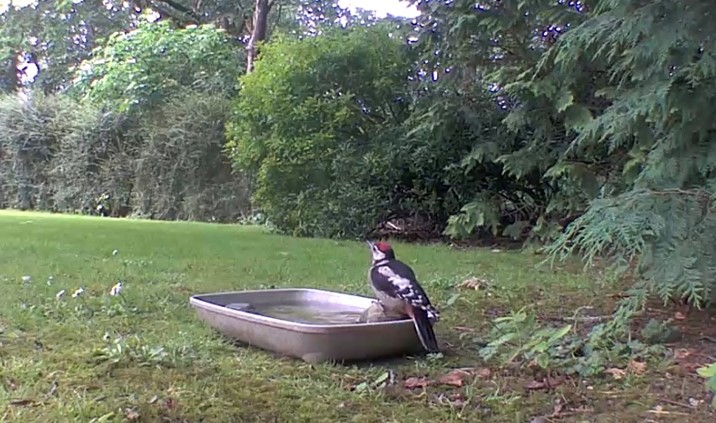
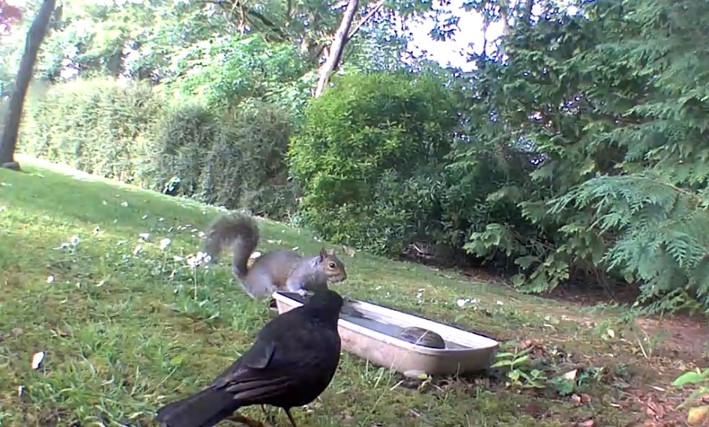
We have a cat litter tray out at the bottom of our garden as a water trough, and the wildlife will use it.
Cubs having snuggled down in the sett since February, it is time from May to venture above ground
Badger cubs in the UK are typically born in February. They spend their first eight to ten weeks underground in a safe sett, only emerging above ground for the first time in late spring, usually around mid-to-late April or May.
Here is how they grow and develop:
Birth (February): Cubs are born blind, weigh between 75 g and 130 g, and have fine white fur.
5–7 Weeks: Their eyes open for the first time.
8–10 Weeks: Cubs peek above ground from the sett entrances.
12 Weeks: The mother weans them and they learn to forage alongside her.
5–16 Weeks: They are mostly independent and can forage alone.
In the UK, badger cub mortality is extremely high, with an average of 50% to 66% of cubs dying in their first year. Only one out of every three cubs typically survives to reach one year of age.
Primary Causes of Mortality
Starvation and Climate: Lack of food availability is the primary natural driver of cub deaths. Drought years significantly decrease the survival rate, as it severely limits their major food source (earthworms).
Road Traffic Accidents: Badgers are habitual creatures, and roads built across ancient paths lead to major casualties. UK roads kill over 50,000 badgers of all age groups every year, and these accidents leave many dependent cubs orphaned.
Predation: While adult badgers have no natural predators in the UK, young cubs can occasionally fall prey to foxes
The local badger group, on which Mummy is on the committee, has orphaned cubs to look after each year. Experienced members hand-rear them. Once strong, they relocate to the wildlife hospital, joining others within a larger enclosure.
The badger group then always tries to find somewhere suitable to build an artificial badger sett to release the cubs together. The badgers receive food support initially, but then they return to the wild and their own sett. They often then build their own outlier setts in the area.
Why you see a badger pop its bottom down on the ground…
Scent plays a pivotal role in group and territory maintenance. Valuable tools in the act of scent-marking are the subcaudal gland (SCG), which is close to the anus, and the paired scent glands located just inside the anus—anecdotal observations suggest that scent glands between the toes (i.e. interdigital glands) may also be used when marking objects, such as trees, near the sett.
Arguably, the most important scent-marking tool is the subcaudal gland, which is used to mark objects in the territory and other members of the clan, which is a process known as allomarking.
The SCG comprises a pouch, the subcaudal pouch (SCP), that’s divided into two sections by a membrane. Several layers of sebaceous glands line the SCP, and these glands secrete an oily lubricant onto the skin and hair, as do apocrine gland cells. It opens to a horizontal slit, two to eight centimetres (about 1-3 in.) wide, between the base of the tail and the anus. The gland secretion is predominantly a composition of unsaturated fatty acids and water, with the consistency of a margarine-like paste. The bacteria partly generated the secretion’s odour in the pouch. Each fatty acid has its own characteristic smell. Chemical analysis of the SCP has shown that the bacterial component and fatty acid composition vary from badger to badger, suggesting each individual has its own unique scent.
What activity occupies them during this season?
Through winter, badgers are a lot less active. Badgers do not truly hibernate, but may enter a state of torpor during freezing or snowy periods. During torpor, the badgers will remain in the sett, often for periods of several weeks, and metabolise fat reserves accumulated during the summer and autumn.
There is usually a marked decrease in a badger’s body temperature during the winter and early spring, being between 2C and 9C (3.6-16.2F) lower from November to April than it is from May onwards. This decrease in body temperature allows for greater “fuel economy,” prolonging their fat reserves when food is scarce or buried under snow.
During periods of exceptionally cold weather, badgers will often use a latrine inside the sett, rather than venturing outside. Though foraging activity fluctuates unpredictably during winter, badgers may forage, even in the snow.