
Sixty Thousand Lakes and More

By Angel Alma

This summer the important word is WATER. Nature is thirsty, wildfires rage, and the demand for water grows. Finland has been lucky so far, although we have a history of wildfires too.

The South East experiences sporadic, gentle rain, yielding lush greenery in lawns and gardens. We had some heavy showers, with streets flooding, but that didn’t last long. It was worse in central Finland where smaller roads even crashed.

Water is essential also for mum. You could call her slightly obsessed, as she must visit the waterside several times a week if possible. Our former home was by the sea in the Helsinki region, followed by many years in Finnish Lakeland. The biggest lake in the country, Saimaa, was almost on the doorstep. Mum swam post-work, even through winter, through an ice hole.
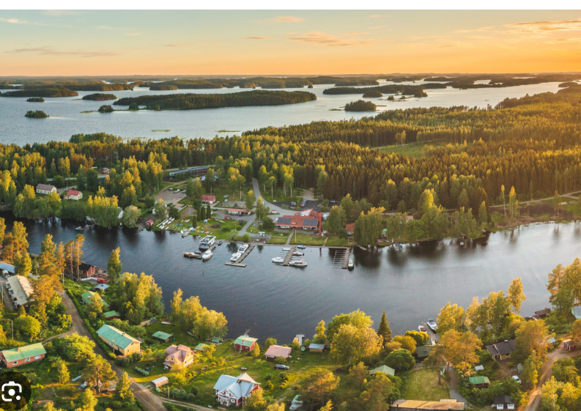
This passion for water started as a child during the long summer holidays by Lake Saimaa. Her family had a summer cottage, like many Finns do. Swimming occurs mornings, on numerous occasions daily, and certainly in the evenings following sauna use.

A few years ago she learned that this is called wild swimming. One style is running in deep water using a special vest, but we do that mostly in swimming pools. You can also walk and maybe do some gym moves in waist-high water.  

My brother Aimo and I went swimming too, not on purpose, but jumping after Mum. Imagine a flying cat! We appeared that way, retreating quickly toward the pier. Aimo even waded in the shallow water. He had Norwegian Forest cat heritage, and they catch fish.

Mum often drives to nearby lakes or rivers, sometimes just to sit and enjoy the sounds of the water. A park pond offers more than nothing.
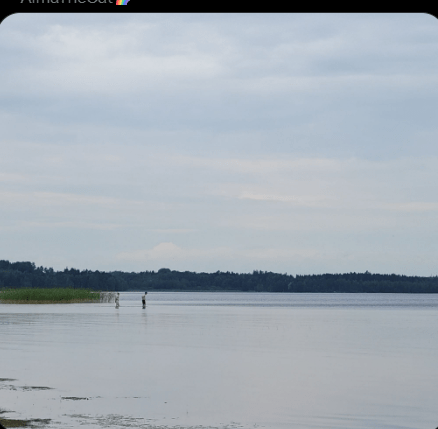
The big river Kymijoki flows through this region towards the Gulf of Finland. Scenic trails for walking and cycling now line the banks.

For those who like waterside action, there is a resort area with an amusement park, Aquapark, cottages and bikes for rent, beach volleyball courts and a diving platform. This summer’s speciality is a sand art exhibition by local artists.

Our lakes are mostly clean, although blue algae can be a pain, especially in hot summers. Periodically, the Gulf of Finland waters resemble thick, green soup. Authorities collected samples from popular beaches; results here were “excellent” when Mum last checked.

Finns call the first swim of the year “throwing your winter fur away”. Mum plans to do that, though she has not yet. Maybe in August when beaches are quiet and the water is “warm”, meaning about +20 Celsius. If you ask me, I’ll rather keep my winter fur on and my summer one dry. Licky baths, of course, make an exception.
Suddenly They Were Here

By Angel Alma

You wait and wait, and one morning you’ll notice it. Chirps and shouts, cries, songs, all the typical tunes of migratory birds. They are eager to announce their arrival and declare: “This is my territory.”

Some species arrive overnight, like fieldfares. Mum usually walks a certain route to listen until she can hear them from the woods.

Often, one hears birds before seeing them. For example, a Pied Wagtail mum heard chirping when she was sitting by the river. Check the surroundings, and soon the bird was jumping on a stone trying to catch insects above the water surface.

Honkers, as we kitties call geese, Mum heard during her walks through the fields. “Honk Honk”, she looked up and saw the typical formations fly over. Goosebumps!

Perhaps the most significant arrivals every spring in Finland are chaffinches, singing loudly near homes and gardens. It may be THE early bird most Finnish people recognize. Curiously, most individuals claim familiarity solely with magpies, craws, seagulls, and cuckoos. Not every paw needs to be a birdwatcher; just enjoy the performance. But if you are interested in learning more, YouTube and phone apps can help.

In a few weeks, fresh voices will join the concert. Loud gulls fly above roofs, as they have learned to nest inland. High houses are like seaside cliffs.

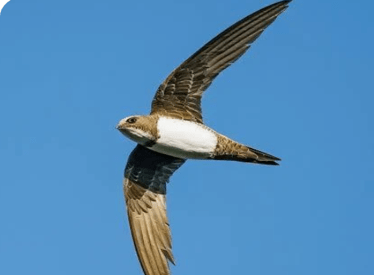
Mum loves the day when she hears the first swifts. Several, then more, launched skyward. They arrived this year on May twenty-third, the same date as the prior year, which proved rather amusing.

Later in June, the soundscape changes. Nesting is in full swing, and you hear more and more warning sounds. Parents warn the chicks about approaching humans, dogs, squirrels, us cats, and bigger birds. When gull chicks jump from the nest, often onto the asphalt, shouting is constant. Humans need to beware of their hats, as the bird parents attack to defend their offspring.

We’ve installed special materials on the roof to safeguard our elderly residents. It’s paste you can buy from garden centers. Birds see it shining and avoid it. Other houses use flickering lights to tell gulls are not welcome.

You need to take the warnings seriously. A while ago, a woman was taking a phone pic of an Ural Owl. The bird was warning, of course, and suddenly pecked the woman’s eye. A trip to the hospital, a lesson learned, plus a story in a newspaper.

In July, the soundscape changes again. It’s calmer and more silent, and female Curlews leave. Dads are taking care of the kids until they are ready to survive on their own.

Summer hasn’t ended, despite our jokes about Finland’s brief summer with minimal snow.