In the UK, we are in another heatwave pattern, particularly in central and southern areas.
We broke temperature records in May and June, and these hot spells have lasted for several days and not just the odd extreme day.
Nature and wildlife will struggle.
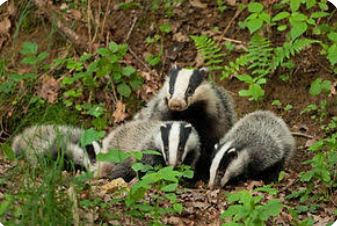
Badger cubs have a high mortality rate anyway, but in dry ground and hot conditions, they struggle even more. Many badger groups are reporting dehydrated badger cubs being found.
When temperatures soar, badgers leave their underground homes throughout the day, searching for hidden resting places amidst plants. They will come out needing water too.
The ground is so hard; they are not getting moisture from that and it’s too hard to forage.
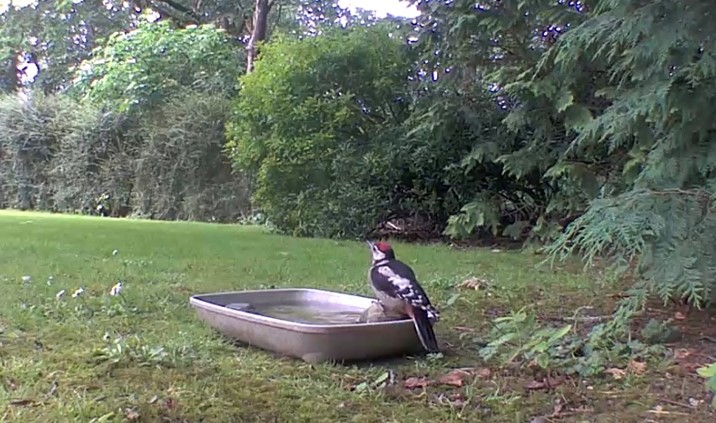
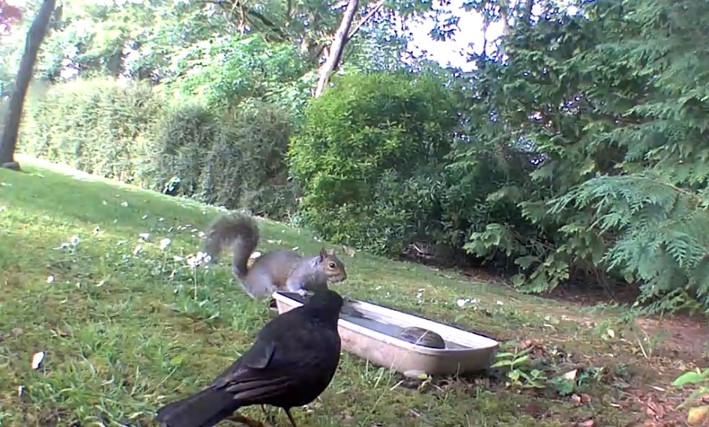
We have a cat litter tray out at the bottom of our garden as a water trough, and the wildlife will use it.
Cubs having snuggled down in the sett since February, it is time from May to venture above ground
Badger cubs in the UK are typically born in February. They spend their first eight to ten weeks underground in a safe sett, only emerging above ground for the first time in late spring, usually around mid-to-late April or May.
Here is how they grow and develop:
Birth (February): Cubs are born blind, weigh between 75 g and 130 g, and have fine white fur.
5–7 Weeks: Their eyes open for the first time.
8–10 Weeks: Cubs peek above ground from the sett entrances.
12 Weeks: The mother weans them and they learn to forage alongside her.
5–16 Weeks: They are mostly independent and can forage alone.
In the UK, badger cub mortality is extremely high, with an average of 50% to 66% of cubs dying in their first year. Only one out of every three cubs typically survives to reach one year of age.
Primary Causes of Mortality
Starvation and Climate: Lack of food availability is the primary natural driver of cub deaths. Drought years significantly decrease the survival rate, as it severely limits their major food source (earthworms).
Road Traffic Accidents: Badgers are habitual creatures, and roads built across ancient paths lead to major casualties. UK roads kill over 50,000 badgers of all age groups every year, and these accidents leave many dependent cubs orphaned.
Predation: While adult badgers have no natural predators in the UK, young cubs can occasionally fall prey to foxes
The local badger group, on which Mummy is on the committee, has orphaned cubs to look after each year. Experienced members hand-rear them. Once strong, they relocate to the wildlife hospital, joining others within a larger enclosure.
The badger group then always tries to find somewhere suitable to build an artificial badger sett to release the cubs together. The badgers receive food support initially, but then they return to the wild and their own sett. They often then build their own outlier setts in the area.
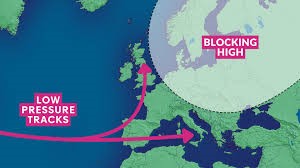
Northern blocking is one of the most influential drivers of UK weather. High pressure building interrupts the jet stream’s usual westward flow in the high latitudes of Greenland, Iceland, or Scandinavia. This “block” forces weather systems to divert around it, often locking the UK into a particular pattern for days or even weeks.
Although blocking can occur at any time of year, its effects in winter and spring are dramatically different.
For snow lovers like mummy, northern blocking is a key hope for winter months in the UK and to be in the correct position to bring in winds and snow.
Northerly flows bring snow showers to Scotland, Northern Ireland, and the eastern coasts.
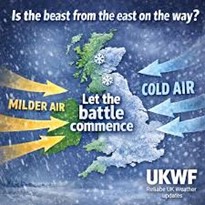
Easterly flows can produce widespread snow, especially when North Sea convection is strong. People know this weather phenomenon as the Beast from the East.
How winter blocking forms
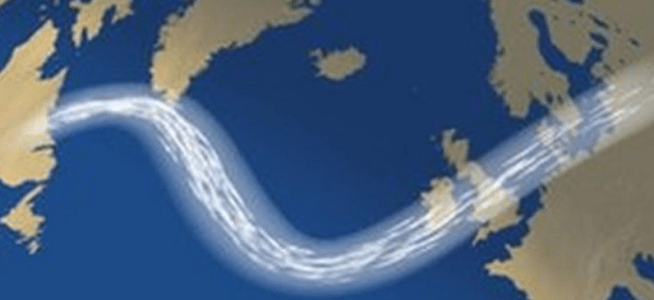
In winter, the jet stream is stronger and more active. When a northern block forms, it forces the jet to buckle southwards, often sending it through Spain or the Mediterranean. This opens the door for Arctic or continental air to spill into the UK.
The most common winter blocking positions are:
*Greenland High (Greenland block) drives cold north‑westerlies or northerlies into the UK. *The Scandinavian High (Scandi block) pulls in cold easterlies from Siberia and western Russia. *Energy demand spikes. Prolonged cold spells increase heating demand and can strain infrastructure.
Why winter blocking is so impactful
Cold air masses are dense and persistent. Once they settle over the UK, they can be very difficult to shift without a major change in the jet stream. That’s why winter blocking often leads to memorable cold spells—think 2010 or the “Beast from the East” in 2018.
Northern Blocking in Spring:
Spring is a transitional season, and blocking behaves differently because the atmosphere is warming, the jet stream weakens, and the contrast between polar and tropical air reduces.
How spring blocking forms
Spring blocks often develop over:
*Greenland *Iceland *Scandinavia *The North Atlantic
But the key difference is that the air masses involved are no longer cold. Instead, the block’s position determines whether the UK gets warmth, chill, or dry settled weather.
It can bring cold, grey days, though, and chilly spring nights. Can also mean a lot of dry weather, which is not welcome in spring for nature, wildlife, and farmers.
The same blocking pattern that brings snow in February might bring sunshine and warmth in May. The key is the temperature of the source air and the strength of the sun. By late spring, even an easterly flow can feel pleasant rather than bitter.
My mummy and I both love the weather. She maintained a weather diary using paper for many years during her youth; now, our garden features a weather station we’ve had for quite some time. She finds it so interesting, exciting, and scary.
The UK’s weather feels the impact of its island status plus its geographical position. We are Atlantic driven but depending on the weather pattern setup and position of the jet stream, we can bring in weather from other directions.
Jet steam:
The jet stream is a high-altitude river of wind (5-7 miles up) that steers UK weather, blowing west-to-east, with its position dictating whether the UK gets mild, wet Atlantic weather (when it’s south of the UK) or colder, drier spells (when it’s further north). A fast, straight jet stream brings unsettled, stormy conditions by pulling low-pressure systems towards the UK, while a weaker, buckled jet stream can lead to blocked high-pressure systems, causing longer periods of stable, dry, or even cold weather, depending on the air masses involved.
When we have a southerly wind in the summer, we have experienced dust storms up from the Sahara. A few years ago, when working in London, the entire city seemed to turn red and there was dust everywhere—it was quite an experience that Mummy loved.
If the winter weather pattern has high pressure blocking, we can then get the Beast from the East, which brings freezing temperatures and snow in from the East.
The cold spell we experienced over Christmas and the start of the year 2026 was driven from the North because of the position of the Scandinavian blocking high pressure. This cold spell has been across Europe, and Lapland has experienced record low temperatures of -42.8c. Mummy has visited Lapland several times, and the lowest she has experienced is -30c and that was VERY cold.
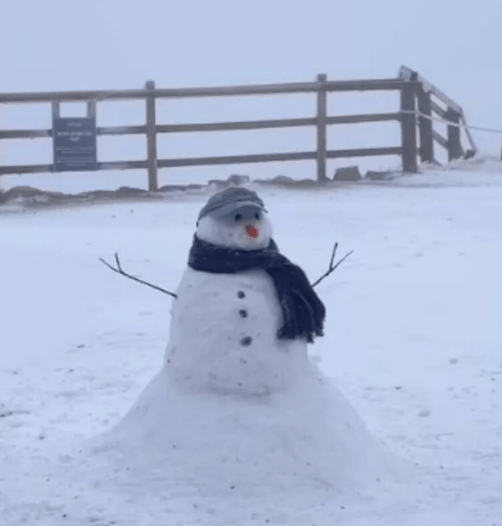
Do you have a favourite weather? Our mummy’s is snow, she just loves it and finds falling snow and the sparkle and crunch of laying so super special.
We will delve into some more weather facts and types of weather in future articles.