Alfie Ted and Family Visit Colorado!

Colorado Header

Hi friends!

It is I, Alfie Ted, and I wanted to share with you about our recent trip to Colorado! 

We went to Colorado Springs to visit Boy’s dad who has been ill. It was a brief trip because it was all that we could manage. We left Friday, stayed Saturday and Sunday, then drove home on Monday. Girl only takes one or two of us out of the house at a time… But this time it was all hands on deck! It was me (Alfie), Ralphie, Peanut, Max, and Hoodie Bear… But we later discovered that our hugmate from Victory in the Valley had smuggled himself into the suitcase!! 

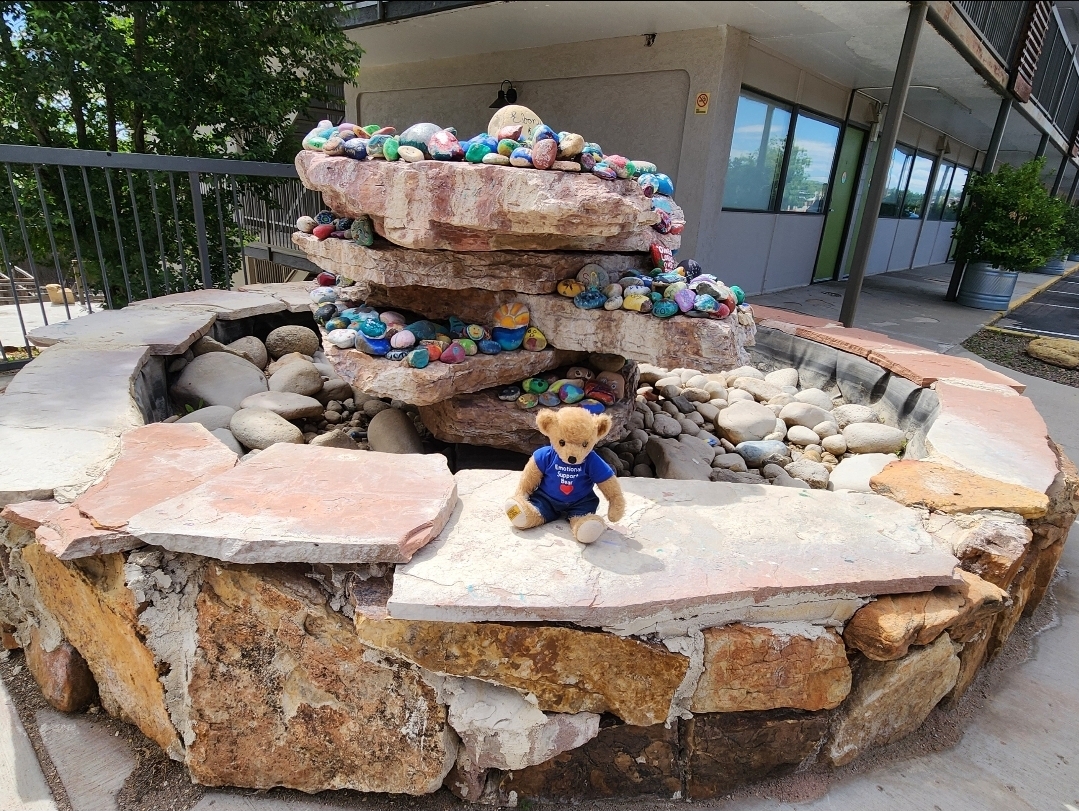
We stayed at a hotel that sort of sounds like a cult. It’s called Soul Community Planet. It was decent except that on Sunday they didn’t have AC or running water!!

They had painted rocks around the campus.

We also discovered that compared to where we live, in Kansas, Colorado leaves A LOT to be desired in the convenience store category!! We went to multiple gas stations hoping to find one of our favorite sodas, but we struck out several times.

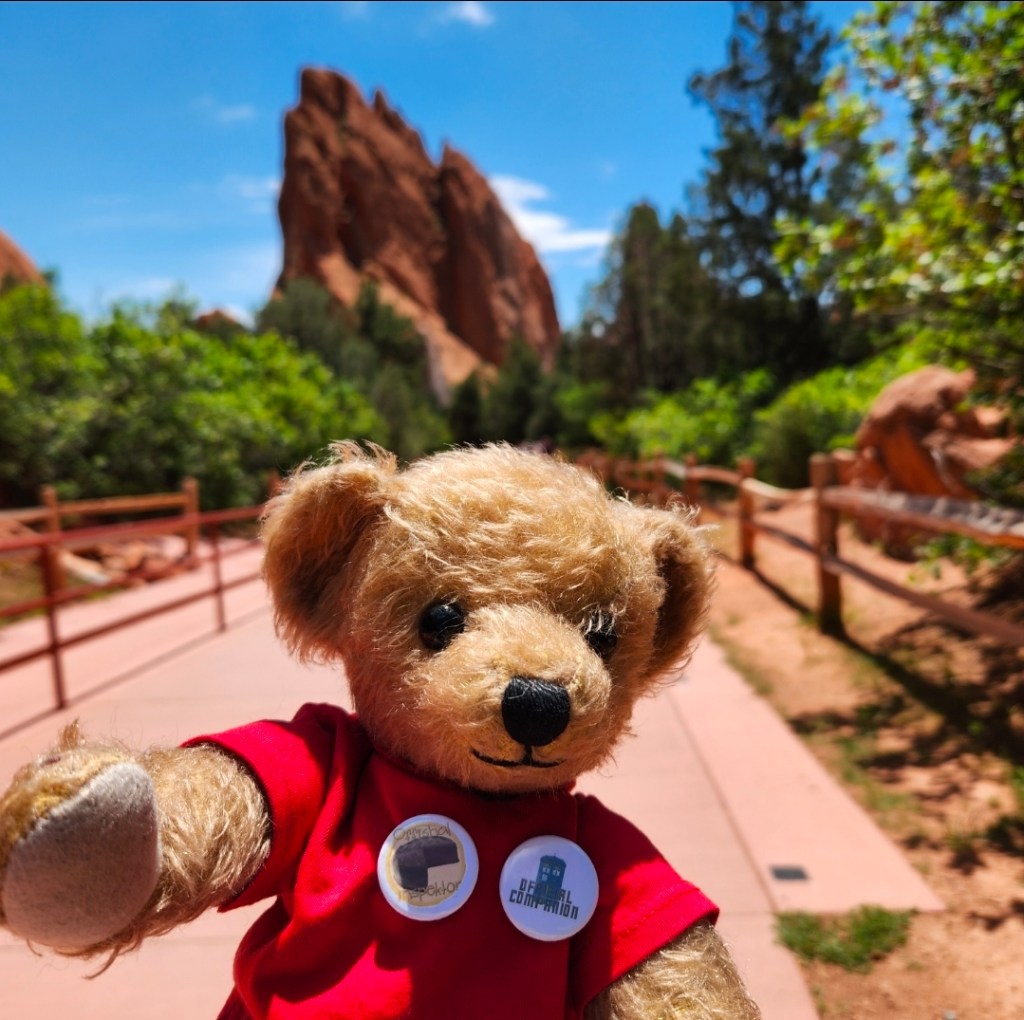
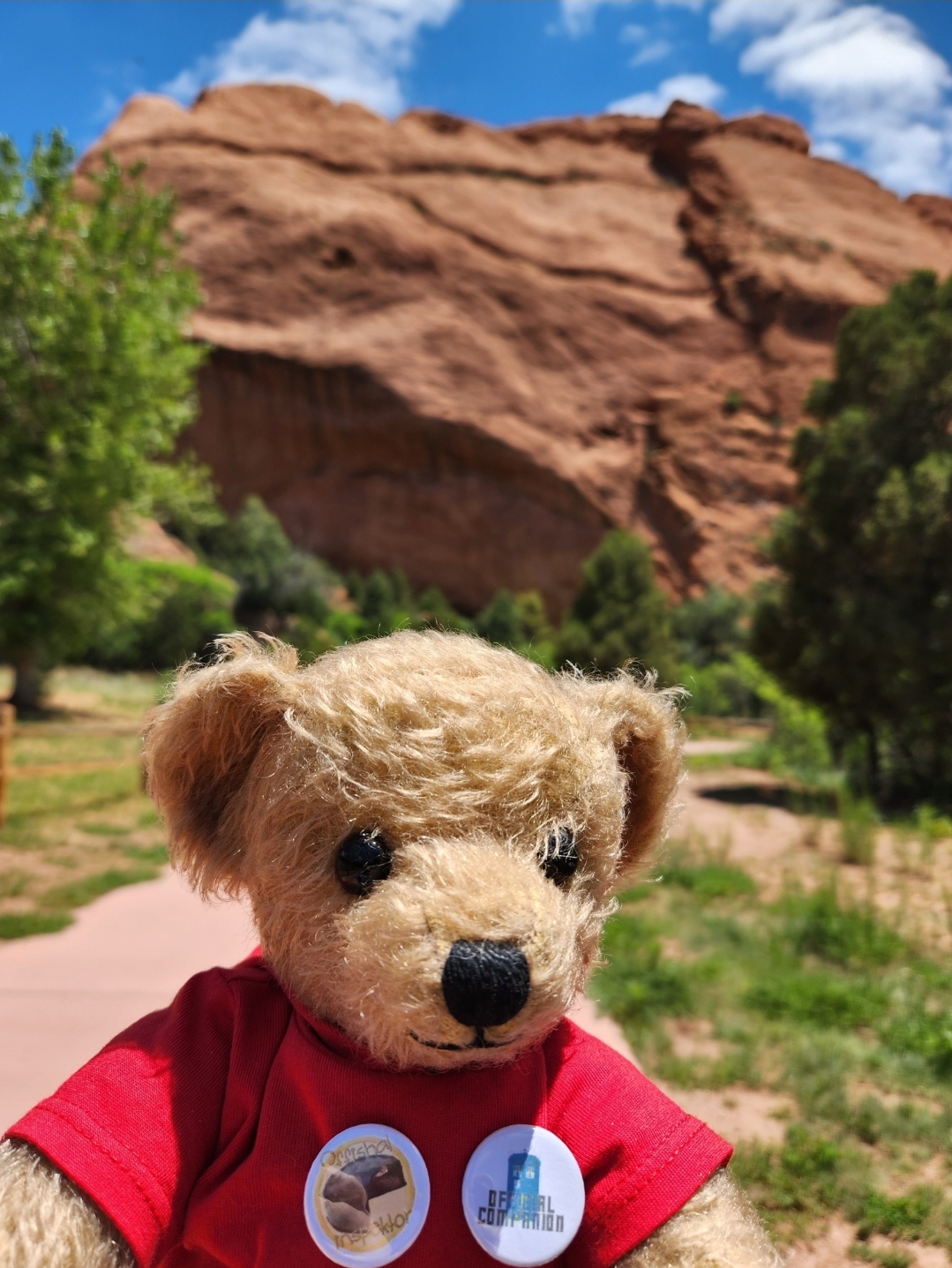
On Sunday, we went to the Garden of the Gods. It’s an amazing park with free admission. It’s huge and the views are phenomenal. 

Here are some photos we took. The fountain with the painted rocks was our hotel. The other mountain photos are from Garden of the Gods.. 

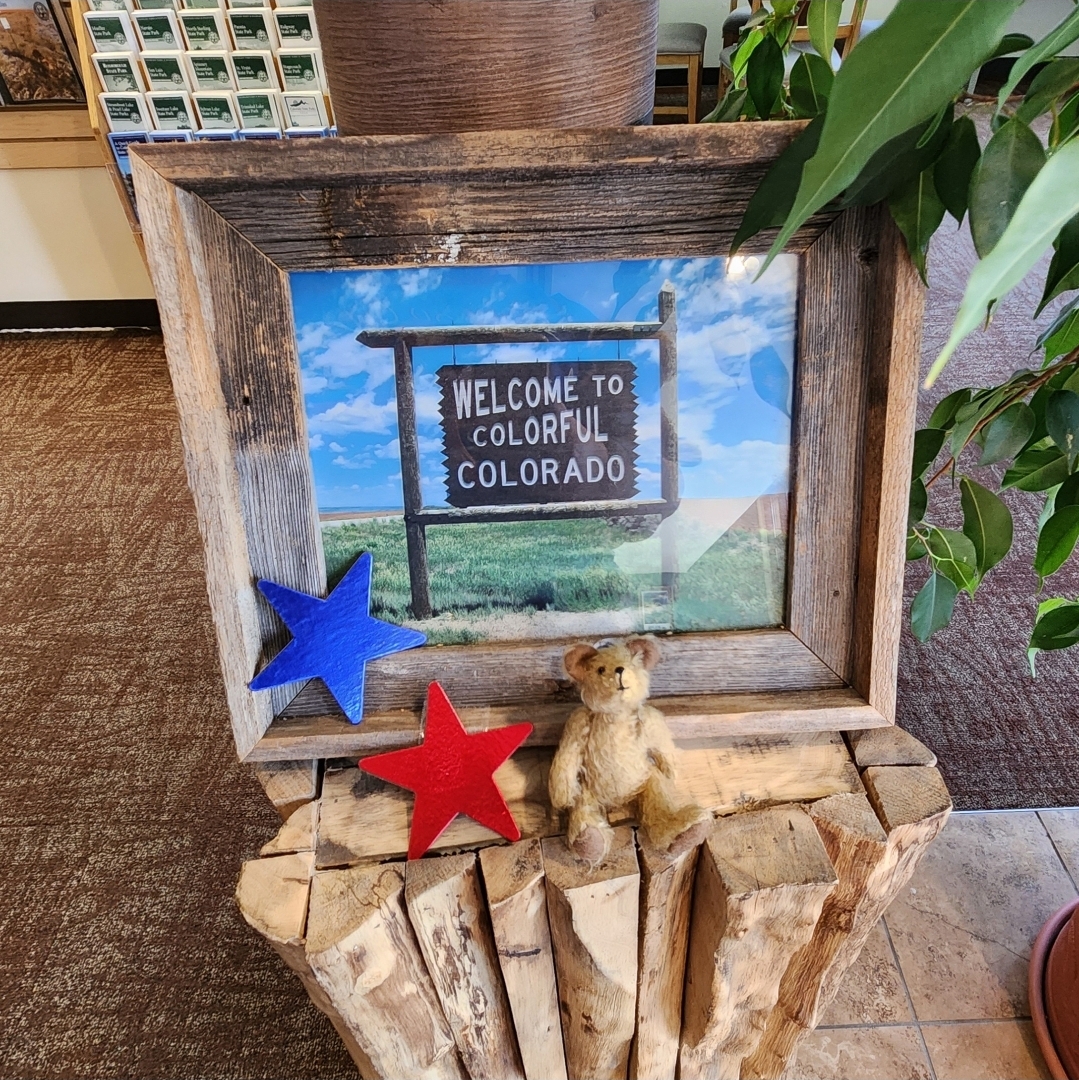
The two photos with Colorado signs are from the Colorado Visitors Center. The absence of a picture with the genuine Colorado sign left us delighted to locate the ones shown. 

It’s been a while since we took a trip, and it’s been ages since we went to Colorado. So this was a much-needed trip. 

Big hugs!

Alfie Ted 

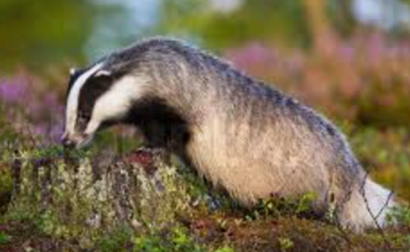
Badger Article 5

Badgers cubs

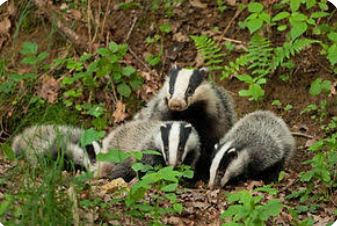
Cubs having snuggled down in the sett since February, it is time from May to venture above ground

Badger cubs in the UK are typically born in February. They spend their first eight to ten weeks underground in a safe sett, only emerging above ground for the first time in late spring, usually around mid-to-late April or May.

Here is how they grow and develop:

Birth (February): Cubs are born blind, weigh between 75 g and 130 g, and have fine white fur.

5–7 Weeks: Their eyes open for the first time.

8–10 Weeks: Cubs peek above ground from the sett entrances.

12 Weeks: The mother weans them and they learn to forage alongside her.

5–16 Weeks: They are mostly independent and can forage alone.

In the UK, badger cub mortality is extremely high, with an average of 50% to 66% of cubs dying in their first year. Only one out of every three cubs typically survives to reach one year of age.

Primary Causes of Mortality

Starvation and Climate: Lack of food availability is the primary natural driver of cub deaths. Drought years significantly decrease the survival rate, as it severely limits their major food source (earthworms).

Road Traffic Accidents: Badgers are habitual creatures, and roads built across ancient paths lead to major casualties. UK roads kill over 50,000 badgers of all age groups every year, and these accidents leave many dependent cubs orphaned.

Predation: While adult badgers have no natural predators in the UK, young cubs can occasionally fall prey to foxes

The local badger group, on which Mummy is on the committee, has orphaned cubs to look after each year. Experienced members hand-rear them. Once strong, they relocate to the wildlife hospital, joining others within a larger enclosure.

The badger group then always tries to find somewhere suitable to build an artificial badger sett to release the cubs together. The badgers receive food support initially, but then they return to the wild and their own sett. They often then build their own outlier setts in the area.

Inventing Your Own Seasons

by Angel Alma

Finnish humans like to repeat the mantra about how lovely it is to have four proper seasons. You know the rhyme: Winter, Spring, Summer and Fall…

But there are more, namely “mid-seasons”. Summer-Fall, Spring-Winter, and so on. Also, crossings between seasons aren’t as clear as they used to be.

Mum loves the Japanese idea of 24 or even 72 microseasons. Perhaps the best known is Hanami, the season to watch cherry blossoms. The Finnish newspaper Helsingin Sanomat even used this idea in their monthly magazine. They published a calendar on this theme together with ProAgria Finland.

Mum has invented microseasons on her own. Let’s see what they are like in the springtime.

We have just survived the sandstorm season, phew. When the snow melted, the air was full of dust, which strong winds blew all over. During the winter, they gritted the streets and pavements multiple times, and maintenance tractors and street sweeping vehicles spent a long time washing it all away.

Sandstorm dust is bad for lungs and irritates eyes. During the worst time, Mum checked the air quality in our town from her phone before going out. The Finnish Meteorological Institute collected the measurements. Rush hours were awful, of course, but other times too, depending on the wind direction.

And the snow didn’t leave us at once. It came back twice and was rather thick, too. In late April Mum saw that several centimeters of snow had covered the backyard during the night. The sun was already warm enough to melt it by the afternoon. That’s another microseason: warming sun.

The list goes on: the day you can wear trainers and not the heavy winter boots with spikes. You can enjoy coffee on the balcony or ice cream on a terrace when it’s warm enough. When you need to close the bedroom curtains to sleep. Rainbows appear on the kitchen wall when sunlight strikes the glass ball positioned on the shelf.

Microseasons also reveal what has been secretly happening during the winter. They appear when they are ready: the first daffodil, butterfly, bumblebee, spider. Those tiny birch leaves which we call “ears of a mouse”.

Of course, Mum thinks the most exciting springtime microseason is when migratory birds return. Maybe we’ll tell more about it in the next blog.

Badgers–Scent Glands (Badger Article 2)

Badgers 2 article

Why you see a badger pop its bottom down on the ground…

Scent plays a pivotal role in group and territory maintenance. Valuable tools in the act of scent-marking are the subcaudal gland (SCG), which is close to the anus, and the paired scent glands located just inside the anus—anecdotal observations suggest that scent glands between the toes (i.e. interdigital glands) may also be used when marking objects, such as trees, near the sett.

Arguably, the most important scent-marking tool is the subcaudal gland, which is used to mark objects in the territory and other members of the clan, which is a process known as allomarking.

The SCG comprises a pouch, the subcaudal pouch (SCP), that’s divided into two sections by a membrane. Several layers of sebaceous glands line the SCP, and these glands secrete an oily lubricant onto the skin and hair, as do apocrine gland cells. It opens to a horizontal slit, two to eight centimetres (about 1-3 in.) wide, between the base of the tail and the anus. The gland secretion is predominantly a composition of unsaturated fatty acids and water, with the consistency of a margarine-like paste. The bacteria partly generated the secretion’s odour in the pouch. Each fatty acid has its own characteristic smell. Chemical analysis of the SCP has shown that the bacterial component and fatty acid composition vary from badger to badger, suggesting each individual has its own unique scent.

What activity occupies them during this season?

Through winter, badgers are a lot less active. Badgers do not truly hibernate, but may enter a state of torpor during freezing or snowy periods. During torpor, the badgers will remain in the sett, often for periods of several weeks, and metabolise fat reserves accumulated during the summer and autumn.

There is usually a marked decrease in a badger’s body temperature during the winter and early spring, being between 2C and 9C (3.6-16.2F) lower from November to April than it is from May onwards. This decrease in body temperature allows for greater “fuel economy,” prolonging their fat reserves when food is scarce or buried under snow. 

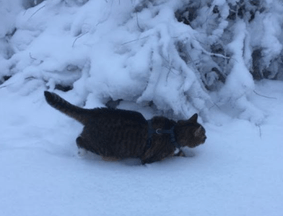
During periods of exceptionally cold weather, badgers will often use a latrine inside the sett, rather than venturing outside. Though foraging activity fluctuates unpredictably during winter, badgers may forage, even in the snow.

Guest Post: Angel Alma (and Mum) Introduction

Hi, I’m Angel Alma, and I am honored to visit McPusspuss Musings as a guest writer. I’m a Finnish tabby girl, born in a country house owned by mum’s friends. Mum collected me as a tiny kitten to live with my big brofur Aimo. We lived in Southeast Finland, near the eastern border, where Mum began birdwatching. SE Finland is a wonderful and interesting birding area, with bigger and smaller lakes, rivers, forests, and lots of countryside. The Gulf of Finland is not too far, either.

I had to travel over the Rainbow Bridge because of an illness. I had already been on cat Twitter and made many good friends there, like Angus and his family, so I decided to stay there as Angel Alma.

Mum is still a birdwatcher and loves nature overall. She lives now in a town near the big river Kymijoki, surrounded by wide fields and smaller lakes, and of course forests.

We are going to tell you about the nature in Finland, mostly near us. It’s lovely even to just visit the nearby park or watch birds during your daily walk. Just keep your eyes and ears open and enjoy.