
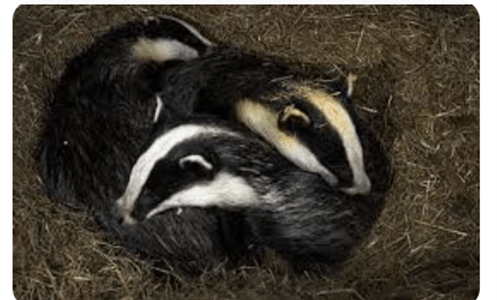
Badgers slow down so much that they can happily go into a deep sleep for days or even weeks during times of harsh weather. This sleep state, torpor, requires a significant sound for awakening, unlike hibernation’s deeper state.
Badgers build up reserves of fat during the autumn when there is plenty of food to eat. Fallen fruit, nuts, plus berries, combined with insects, worms, plus carrion, supply badger body fats to slumber for weeks, thus there’s zero worry for waking to eat. Badgers experience winter lethargy during this time period. As they rest, their bodies continue to function by using the energy in those fat reserves.
The UK experienced a mild autumn; thus, the badgers could fatten for winter. Our visiting badgers have been coming every night through December still. Following a dry summer, badgers require nourishment and hydration to survive the winter.
Whole family groups of badgers can make themselves comfortable deep underground in their sett, which provides shelter from rain and protection from extremely cold conditions. They collect bedding materials such as dry grass and fallen leaves to wrap themselves in.
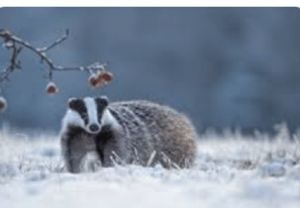
During periods of exceptionally cold weather, badgers will often use a latrine inside the sett, rather than venturing outside. Foraging may occur even in snow, though winter activity fluctuates unpredictably.
 The Anipal Times